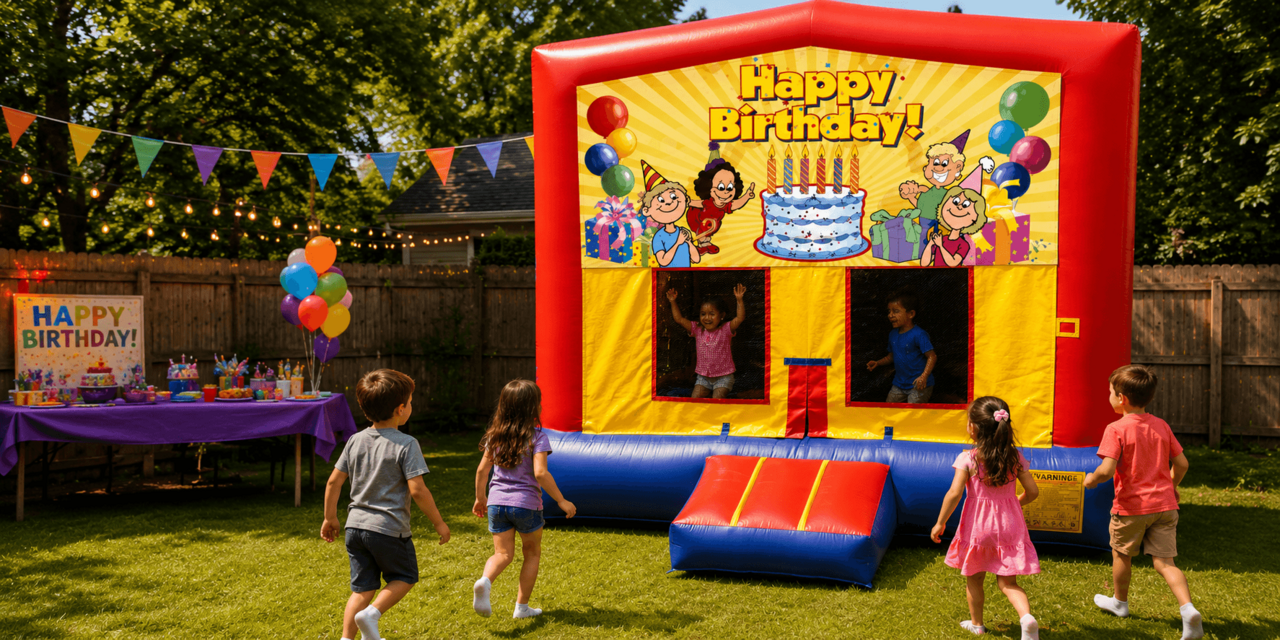
Have you ever watched a group of excited kids rush into a bounce house and wondered whether there are specific safety rules you should be following?
Bounce houses are one of the most popular attractions at children's parties because they encourage active play, social interaction, and plenty of fun. However, like any recreational activity, they work best when clear safety guidelines are followed.
Many parents search for bounce house safety rules because they want to understand how to supervise children, prevent common accidents, and create a safer environment during an event. By the end of this guide, you'll know the most important inflatable safety tips, supervision recommendations, and best practices that can help everyone enjoy the experience more confidently.
What Are the Most Important Bounce House Safety Rules?
While every inflatable may have its own guidelines, several basic safety principles apply to most bounce houses.
Following these rules can help reduce the likelihood of collisions, falls, and other common issues.
Remove Shoes Before Entering
Children should always remove shoes before entering a bounce house. Shoes can damage inflatable surfaces and increase the risk of accidental contact with other participants.
Empty Pockets and Remove Sharp Objects
Items such as keys, toys, jewelry, pens, and phones can create hazards inside an inflatable. Before entering, children should remove anything that could injure themselves or others.
No Climbing on Exterior Walls
Bounce houses are designed for jumping and playing inside the designated area. Climbing on walls, support structures, or netting can create unnecessary risks.
Follow Occupancy Guidelines
Every inflatable has recommended occupancy limits. Exceeding those limits can reduce stability and make safe play more difficult.
Understanding these basic rules provides a strong foundation for safer use.
For a broader look at inflatable planning, setup considerations, and safety practices, our detailed Bounce House Rentals Guide offers additional educational information.
How Many Kids Should Be in a Bounce House at One Time?
One of the most common questions parents ask is how many children can safely use a bounce house at the same time.
Is There a Safe Number of Children for a Bounce House?
The answer depends on several factors:
- The size of the inflatable
- The age of the participants
- The manufacturer's guidelines
- The activity taking place inside
A smaller inflatable may accommodate fewer children than a larger unit.
Why Age Group Separation Matters
Children of significantly different sizes can move differently inside an inflatable.
For example:
- Younger children may have less balance
- Older children often jump higher and move faster
- Large age gaps can increase accidental collisions
Whenever possible, organizing play sessions by similar age or size groups can help create a more predictable environment.
Understanding Inflatable Weight Limits
Weight limits are another important consideration.
Inflatables are designed to operate within specific capacity guidelines. Following those recommendations helps maintain proper performance and promotes safer play conditions.
What Does Proper Bounce House Supervision Look Like?
Many parents assume that once children enter a bounce house, supervision becomes less important.
In reality, active supervision is one of the most effective safety measures available.
Should an Adult Always Be Present?
Yes. A responsible adult should monitor activity whenever children are using an inflatable.
The role of supervision includes:
- Monitoring occupancy levels
- Watching for rough play
- Helping enforce safety rules
- Responding quickly if issues arise
What Types of Activities Should Be Avoided?
Certain behaviors increase the likelihood of accidents.
- Flips and somersaults
- Wrestling or tackling
- Climbing on walls
- Hanging from netting
- Pushing other participants
Encouraging simple bouncing and age-appropriate play often creates the safest experience.
How Close Should Supervisors Be?
Adults should remain close enough to observe activity clearly and intervene when necessary.
Direct visibility is important, particularly when younger children are participating.
What Should Parents Check Before Kids Start Playing?
Before children enter a bounce house, a quick visual inspection can help identify potential concerns.
Is the Bounce House Fully Inflated?
The inflatable should appear firm and properly inflated throughout use.
Are Anchors Secure?
Anchoring systems help keep the inflatable stable during operation.
A quick visual check can help confirm that the unit appears properly secured.
Is the Entrance Area Clear?
The entrance and exit zones should remain free from obstacles, toys, shoes, and other items that could create tripping hazards.
Are Weather Conditions Appropriate?
Weather can affect inflatable safety.
Before use, it's important to consider:
- Strong winds
- Rain
- Lightning
- Wet surfaces
Following manufacturer recommendations regarding weather conditions is an important part of inflatable safety.
For additional educational resources on inflatable activities, safety topics, and planning ideas, you can browse our collection of Bounce House Articles and Guides.
How Professionals Approach Inflatable Safety
Professionals typically view inflatable safety as a combination of multiple factors rather than focusing on a single rule.
They evaluate:
- Participant age ranges
- Occupancy levels
- Supervision practices
- Equipment condition
- Weather conditions
- Setup requirements
- Activity type
Safety is rarely the result of one decision. Instead, it comes from consistently following a collection of best practices throughout the event.
Parents who understand these factors are often better prepared to create a positive experience for everyone involved.
Those interested in learning more about different inflatable options and common designs can also explore the broader Bounce House Category for additional context.
Frequently Asked Questions
Are Bounce Houses Safe for Young Children?
Bounce houses can be appropriate for younger children when age recommendations are followed and active adult supervision is provided.
What Is the Most Important Bounce House Safety Rule?
Consistent adult supervision is often considered one of the most important safety practices because it helps ensure other safety guidelines are followed.
How Many Kids Can Be in a Bounce House at Once?
The appropriate number depends on the inflatable's size, occupancy recommendations, and the ages of the participants.
Should Kids of Different Ages Use a Bounce House Together?
When possible, children of similar ages and sizes should play together to reduce the risk of accidental collisions.
Do Bounce Houses Have Weight Limits?
Yes. Most inflatables have manufacturer-recommended weight and occupancy limits that should be followed during use.
Can Bounce Houses Be Used in Windy Conditions?
Weather recommendations vary by inflatable, but strong winds can affect safe operation. Manufacturer guidelines should always be followed.
Conclusion
Bounce house safety starts with simple, consistent practices. Following occupancy guidelines, supervising children, separating age groups when appropriate, checking setup conditions, and encouraging safe play can all contribute to a better experience.
Understanding these bounce house safety rules helps parents make informed decisions and create an environment where children can focus on having fun while minimizing unnecessary risks.
If you'd like to explore this topic further, our related guides go deeper into inflatable safety, party planning considerations, and bounce house best practices.